Tutorial
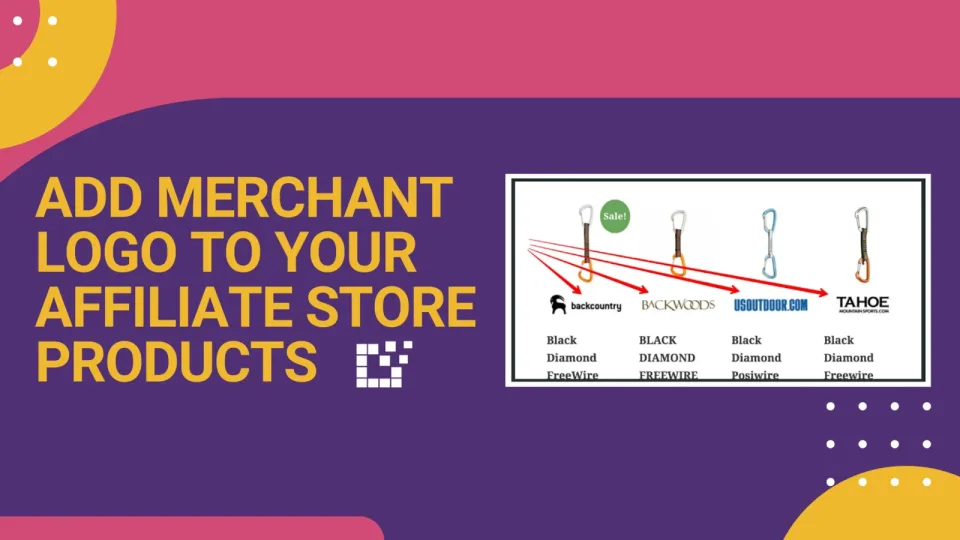
Adding Merchant Logos to Shop and Product Pages
There are numerous ways to optimize the shop page on your affiliate store to boost your user experience, clicks and sales. One of the ways you may consider optimizing…


Tutorial
There are numerous ways to optimize the shop page on your affiliate store to boost your user experience, clicks and sales. One of the ways you may consider optimizing…
Tutorial
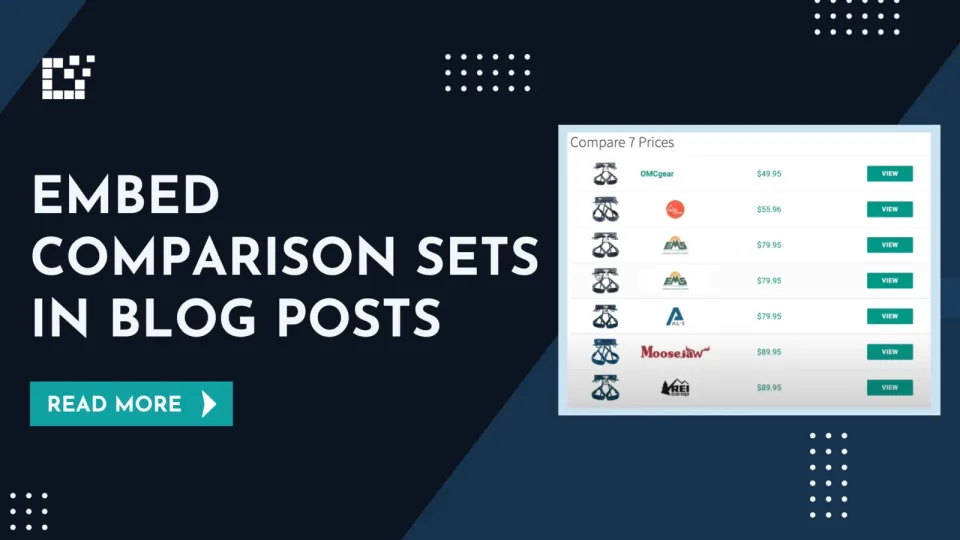
A Comparison Set is a way of displaying which merchants are selling a product. Comparison Sets are commonly shown on affiliate stores and WooCommerce product pages. Did…
Tutorial
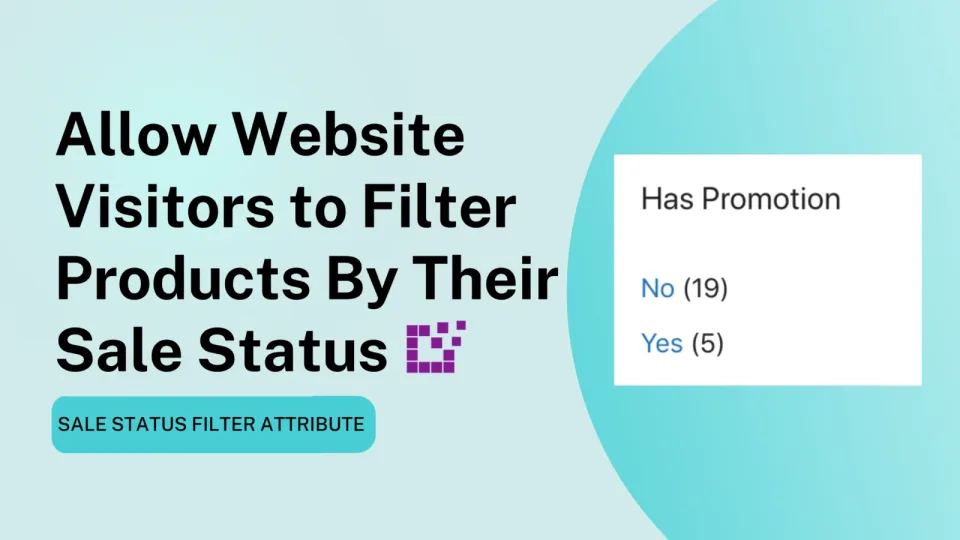
Attributes are characteristics or qualities that give information about a product. For example, size, color, or gender. A filter attribute is a way of letting website…
Tutorial
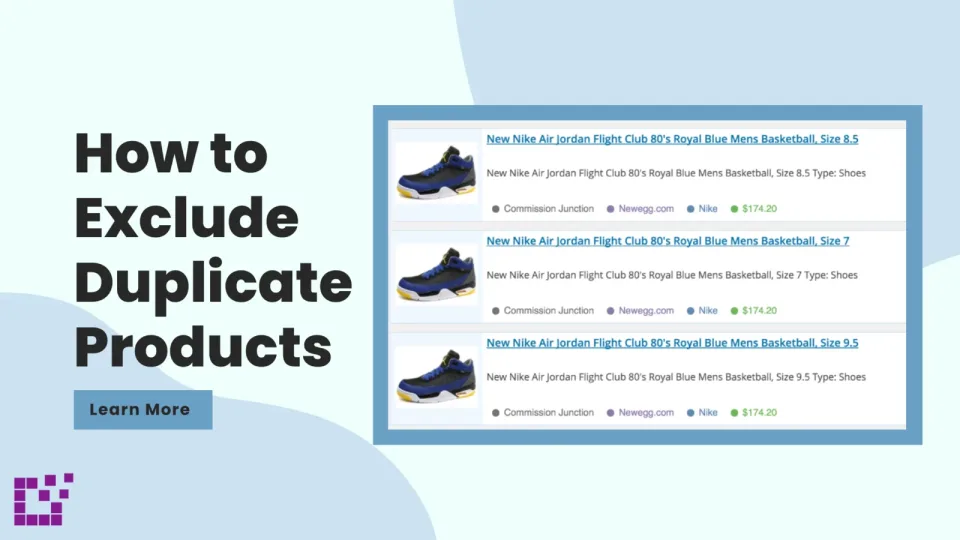
When searching for products in a product search, you may notice duplicate products. A duplicate product is when the same product appears more than once in your search…

Tutorial
Product feeds can be a convenient way to populate your affiliate site with products from various merchants. But are you aware that the product data merchants provide in…
Tutorial
We often get asked about the best WordPress/WooCommerce themes that are compatible with Datafeedr. With so many themes available, it can be overwhelming to decide which…

Tutorial
We regularly receive support tickets from Datafeedr customers asking whether it’s possible or not to show products or comparison sets based on a visitor’s geographic…
Tutorial
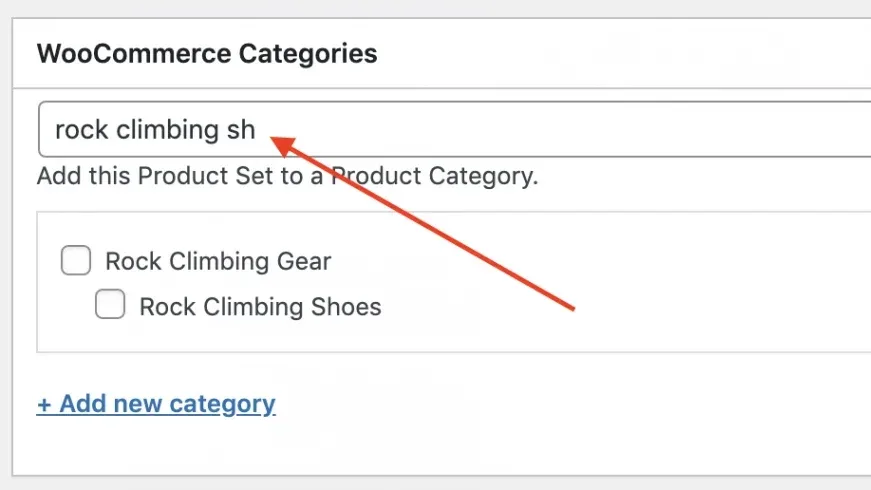
If you have a lot of categories (like I have on geargrabber.net) you may find that scrolling and finding the category you are looking for is time-consuming. Here’s what…
Tutorial
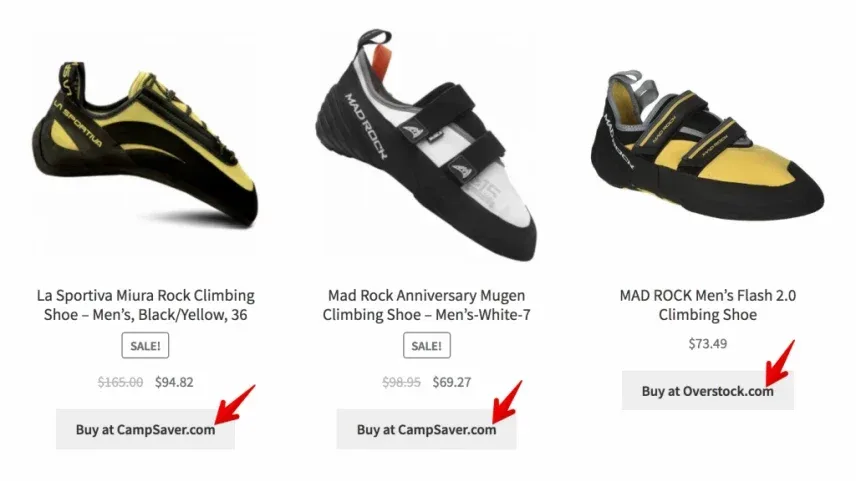
There are lots of fun things you can do to WooCommerce [Buy Now] and [Add to Cart] buttons.
Tutorial
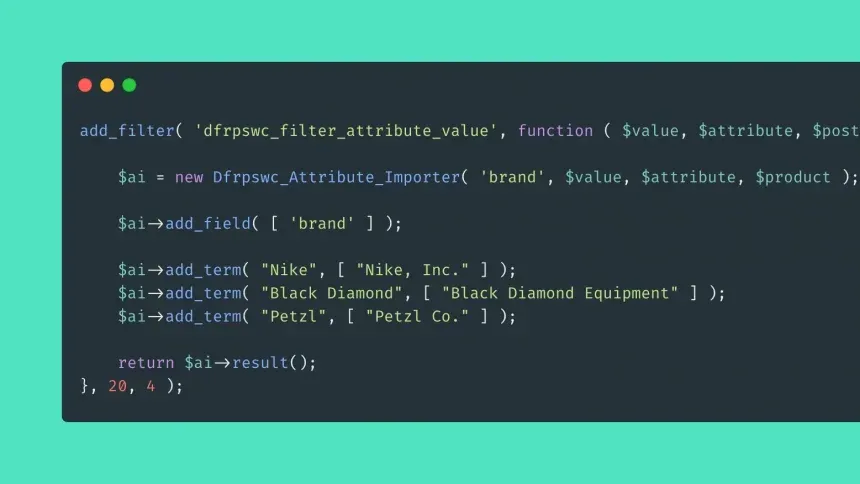
WooCommerce is great for importing data feeds into and using for your datafeed-driven affiliate store. However, one of the frustrations of using data feeds is data…
Tutorial
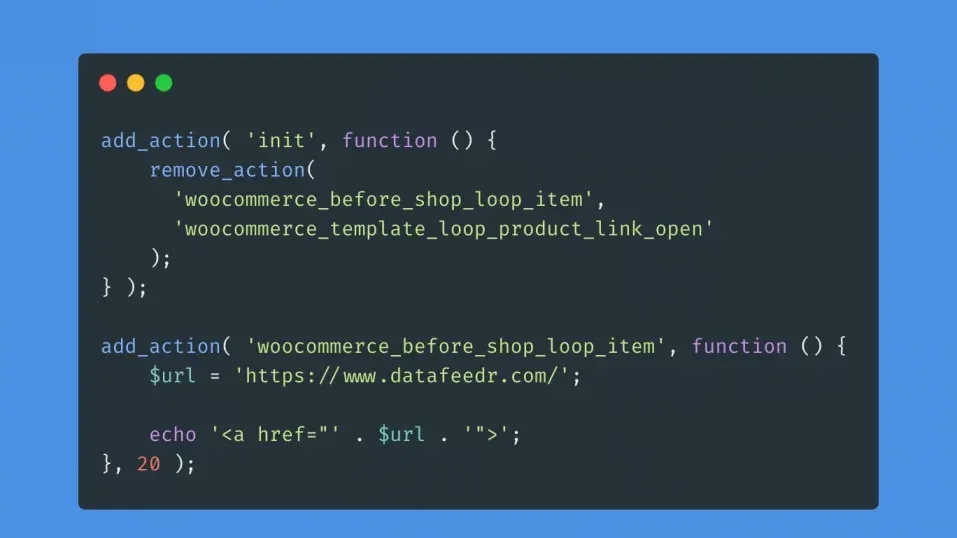
Before WooCommerce 2.5, it was possible to change/modify/override the URL to the product page using a filter on the the_permalink hook. For example, you could do this:

Tutorial
I cringe every time I see a link in a blog post that is an absolute URL to other content on the same site. Here’s an example of what I mean: